22 October 2026
Fotona 4D Laser Facial (TimeWalker) in Encino, CA for Modern Anti-Aging Care
Presented by @josuexwmu432
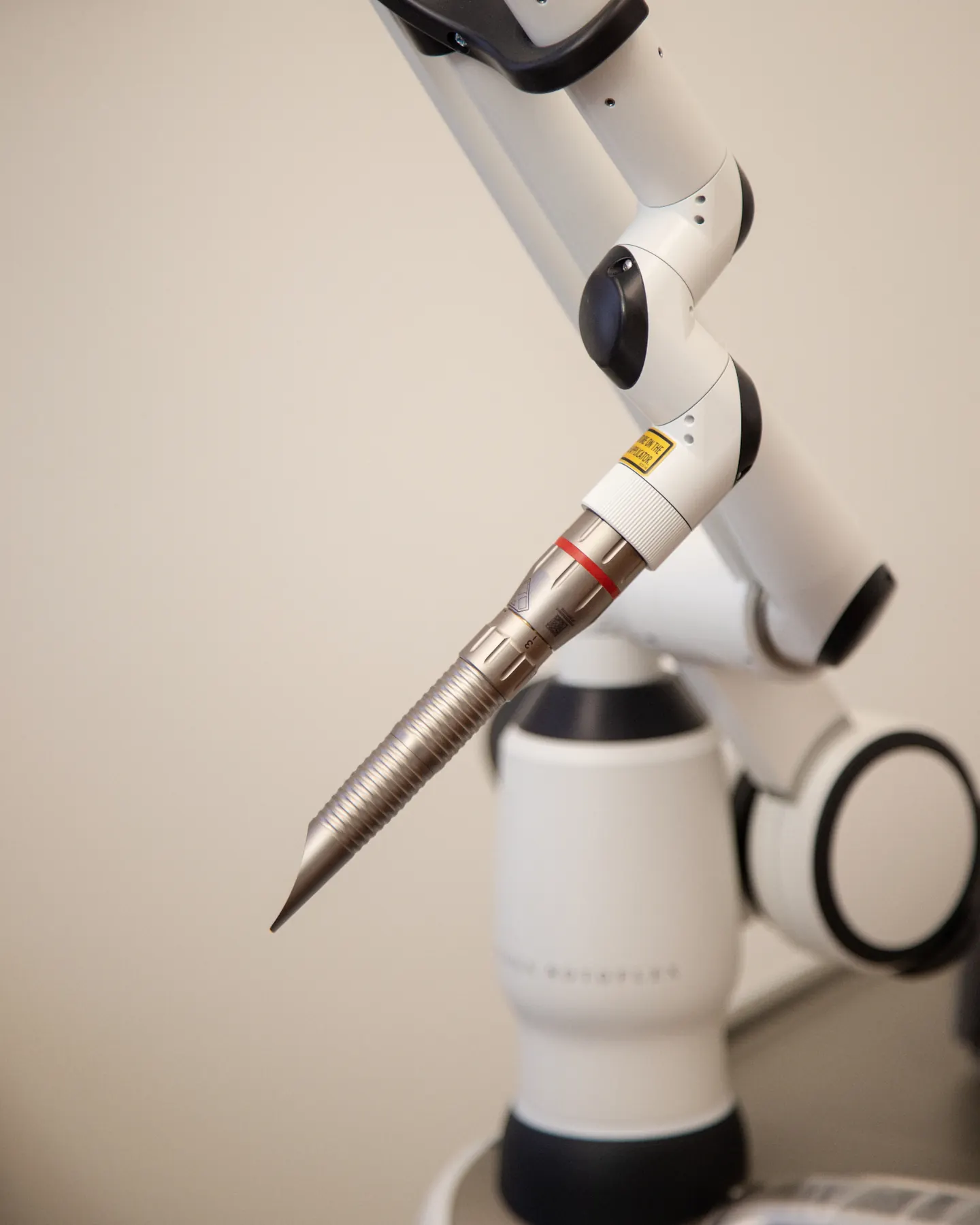
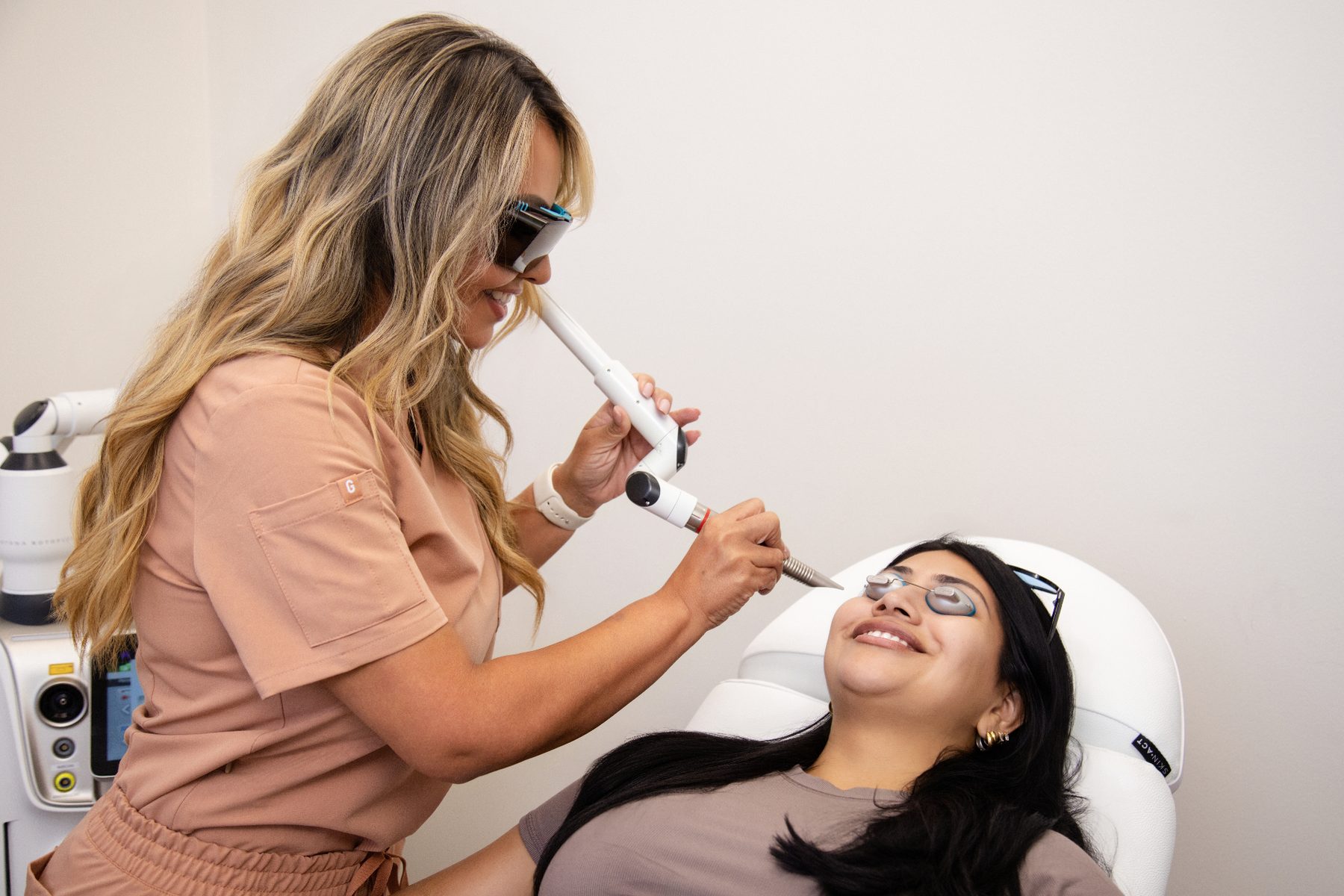
Aesthetic medicine has moved well beyond the old choice between doing nothing and making a dramatic leap into surgery. Many patients want visible improvement, but they also want to look like themselves, keep their schedules intact, and avoid the flat, overfilled look that can happen when every concern gets treated with volume alone. That is where laser rejuvenation has earned its place, especially treatments designed to work at multiple depths rather than skimming the surface.
The Fotona 4D Laser Facial, often discussed alongside the TimeWalker platform, fits that demand well. It was built around a layered approach to facial rejuvenation, using different laser modes to address texture, laxity, fine lines, and overall skin quality in a single session plan. For patients exploring Fotona 4D Laser Facial (TimeWalker) Encino, CA options, the appeal is straightforward: the treatment aims to tighten, smooth, and refresh the face with less downtime than more aggressive resurfacing.
That promise sounds simple. The reality is more nuanced, and that nuance matters. Good outcomes depend on anatomy, skin type, treatment settings, provider judgment, and patient expectations. In practice, the best candidates are usually not looking for a miracle in one visit. They want a meaningful improvement in tone, collagen support, and early to moderate signs of aging, often while staying camera-ready for work, family events, or public-facing routines.
Why Fotona 4D stands out in a crowded anti-aging category
Plenty of treatments claim to stimulate collagen. Very few do it in a way that combines internal Fotona 4D Laser Facial (TimeWalker) Encino, CA and external treatment zones as deliberately as Fotona 4D. One of its defining features is that part of the rejuvenation approach takes place inside the mouth, targeting the mucosal side of the cheeks. That sounds unusual the first time a patient hears it, but there is logic behind it. The oral mucosa allows heat delivery to deeper tissue without damaging the outer skin surface in the same way more aggressive external treatments can.
The “4D” name refers to four dimensions or steps of treatment, each designed to target a different layer or concern. Depending on the provider’s protocol and the patient’s needs, the session may include intraoral tightening, fractional rejuvenation, deep tissue heating, and light surface polishing. The objective is not simply to sand the skin smoother. It is to create a more complete rejuvenation pattern, where lift, firmness, radiance, and fine texture all improve together.
That layered strategy matters because aging rarely happens in one layer alone. Skin thins, collagen decreases, elasticity weakens, and repetitive movement etches lines into places where tissue support has faded. A person may come in focused on smile lines, but what they are really noticing is a broader shift in midface support, skin crepiness, and loss of bounce. A single-modality treatment often helps one part of the problem while leaving the rest visible. Fotona 4D was designed to avoid that narrow result.
What the TimeWalker name means for patients
Patients sometimes see the terms “Fotona 4D” and “TimeWalker” used together and wonder whether they are the same thing. In practical terms, TimeWalker refers to Fotona’s aesthetic platform and treatment philosophy that can include 4D rejuvenation protocols. Clinics may use the TimeWalker branding to describe a broader range of anti-aging laser options, while Fotona 4D refers more specifically to the four-step facial approach.
For a patient, the branding matters less than the actual treatment plan. The key questions are whether the provider is experienced with the protocol, whether your skin is being evaluated carefully, and whether the settings and sequence are being customized rather than applied mechanically. A reputable office should explain exactly what is being done, where energy is being delivered, and how the plan fits your concerns.
This is especially relevant in a place like Encino, where patients often have access to sophisticated cosmetic care and understandably high standards. People are not just shopping for a machine. They are looking for clinical taste, restraint, and an ability to match treatment intensity to lifestyle. A strong laser platform in inexperienced hands can underdeliver or, worse, create avoidable irritation and prolonged redness.
What a typical treatment is trying to improve
The strongest candidates for Fotona 4D are often people in the early to moderate stages of visible aging. They may notice lower cheek laxity, fine lines around the mouth, rougher texture, enlarged pores, mild jowling, or a tired look that makeup no longer fixes. Many are not ready for surgery, and some may never want surgery. They simply want their skin to look firmer, fresher, and more rested.
In my experience, patients tend to appreciate Fotona 4D most when their goals sound like this: “I want to look better, not different,” or “My face looks a little deflated and creased, but I do not want filler everywhere.” That is an important distinction. Lasers do not replace lost volume the way injectables can, and they do not reposition heavy tissue the way a surgical lift can. What they can do is improve the quality and behavior of the skin, which often makes the whole face read younger and healthier.
The treatment may help with:
- Fine lines around the mouth and eyes
- Mild to moderate skin laxity
- Uneven texture and enlarged pores
- Dullness and early photodamage
- A crepey or tired surface quality that benefits from collagen stimulation
Those benefits sound broad because they are broad, but they are not limitless. A patient with significant skin excess under the jawline, very deep folds, or pronounced lower-face heaviness may still benefit from Fotona 4D, though usually as part of a larger strategy rather than the sole intervention.
The four-layer concept, explained in plain terms
Laser terminology can get dense quickly, and many patients tune out once they hear wavelengths and proprietary mode names. The more useful way to understand Fotona 4D is to think in layers.
One component focuses on the inside of the mouth, especially the cheek area. This aims to heat tissue internally to encourage contraction and collagen remodeling. Patients often describe this part as warm rather than painful, though sensitivity varies.
Another component treats the skin more fractionally, creating controlled micro-injury that prompts renewal. This step can help texture and fine lines. Depending on settings, it may create a few days of roughness or a light bronzed look as the skin turns over.
A deeper heating phase targets tissue support. This is one of the reasons the treatment is often described as non-surgical tightening rather than simple resurfacing. It is less about creating visible peeling and more about delivering thermal stimulation where collagen remodeling can occur over time.
The final polishing step addresses the superficial layer for brightness and smoothness. Patients often notice this part first because it gives the complexion a cleaner, more refined appearance once initial redness resolves.
When all four are used thoughtfully, the result tends to feel balanced. The face does not look “done.” It looks like the skin is functioning better.
What a session feels like and how long it takes
A full session can take around 45 minutes to 90 minutes depending on the protocol, the areas included, and whether numbing is used. Some practices streamline the experience significantly. Others take more time because they are adjusting settings carefully or combining the treatment with complementary care.
Discomfort is usually described as manageable. The intraoral portion feels unusual the first time, mostly because it is not what people expect from a facial treatment. External passes may create heat, prickling, or a rubber-band-like snap depending on the mode being used. Most patients tolerate it without much trouble, though pain tolerance is highly individual.
Right after treatment, it is common to see redness, warmth, and mild swelling. Some patients look pink for a day or two. Others have several days of rough texture, especially if a fractional component is emphasized. The level of downtime depends on intensity. That is one reason consultation matters so much. Someone with a big on-camera event in three days should not assume every laser facial is a true lunch break treatment.
Downtime is usually reasonable, but “no downtime” is not the right promise
One of the most common marketing mistakes in aesthetics is collapsing “less downtime than ablative resurfacing” into “no downtime.” These are not the same thing.
Most Fotona 4D patients can resume ordinary activities fairly quickly. Many return to work the next day, especially if they are comfortable with some residual redness or if their treatment was performed at conservative settings. But that does not mean every skin type, every treatment intensity, or every patient response will look invisible overnight.
A realistic recovery pattern often includes mild swelling, flushing, dryness, and a sandpapery feel for a few days. Makeup may go on differently during that period. Sun avoidance matters. So does staying out of excessive heat, hard workouts, and steam for a short window if your provider advises it.
A practical prep and recovery checklist usually includes:
- Avoid recent tanning or heavy sun exposure before treatment
- Pause irritating topicals if your provider recommends it
- Keep the skin moisturized and protected with sunscreen afterward
- Expect temporary redness, warmth, or roughness
- Time major social events with a small buffer rather than assuming same-day perfection
That last point saves a lot of disappointment. I have seen patients do beautifully with this treatment, but the happiest ones are rarely those who booked it 48 hours before a wedding and expected filtered-skin results immediately.
How many treatments are usually needed
This depends on the starting point. A patient in their late thirties with mild laxity and decent baseline skin quality may notice a nice improvement after a single session, especially in brightness and texture. A patient in their fifties with more etched lines and visible lower-face looseness will usually need a series to appreciate the full value.
Many providers recommend an initial series, often around three sessions spaced several weeks apart, followed by maintenance based on the patient’s aging pattern, sun exposure, and goals. That does not mean everyone must sign up for an endless schedule. It means collagen remodeling is gradual, and sustained results generally come from repeated stimulation rather than one dramatic event.
This is where honest counseling matters. Laser rejuvenation is cumulative. It rewards consistency. Patients who treat it like fitness for the skin tend to be more satisfied than those who expect one treatment to erase ten years.
How it compares with other anti-aging options
Fotona 4D sits in an interesting middle ground. It is more substantive than a standard spa facial or light exfoliating treatment, but typically less invasive than deeper ablative resurfacing or surgery. For the right person, that middle ground is exactly the point.
Compared with injectables, it offers better improvement in skin quality and often a more natural global refresh. Compared with surgery, it involves far less recovery and lower procedural intensity, but it cannot replicate surgical lifting. Compared with radiofrequency microneedling, it may be more appealing to patients who prefer a laser-based approach or want the added intraoral component. Compared with aggressive CO2 resurfacing, it usually has a gentler recovery but may produce subtler change per session.
Trade-offs are real here. Some patients do better combining modalities rather than insisting one device solve every concern. For example, a patient with dynamic forehead lines, mild cheek laxity, and pigment irregularity may benefit from neuromodulator treatment, selective laser work, and disciplined skincare alongside Fotona 4D. Comprehensive anti-aging care is often less about finding the “best” single procedure and more about matching the right tools to the right problems.
Who tends to be happiest with Fotona 4D in Encino
Encino patients often lead busy lives, spend time outdoors, and want results that hold up in both professional and social settings. That lifestyle tends to pair well with treatments that respect recovery time while still delivering meaningful change. The people who respond best are usually informed, realistic, and interested in long-term skin quality.
The happiest patients are often those who understand three things. First, collagen remodeling takes time. Second, healthy-looking skin usually reads younger than artificially altered contours. Third, maintenance is part of modern anti-aging care. The face continues to move, thin, and react to sun, stress, hormones, and habits. A laser cannot freeze time. What it can do is improve how the skin ages from this point forward.
For those seeking Fotona 4D Laser Facial (TimeWalker) Encino, CA treatment, local factors also matter. Strong sun exposure is part of life in Southern California. That means photoprotection is not an optional afterthought. Patients who invest in laser rejuvenation but treat sunscreen casually tend to lose ground faster than they expect.
Skin tone, safety, and why customization matters
Laser safety always depends on proper patient selection and parameter choice. Skin tone influences how cautiously energy should be delivered, especially with modalities that interact with pigment or create surface injury. This does not mean deeper skin tones are automatically poor candidates. It means the treatment has to be planned carefully by someone who understands the technology and the biology.
A thorough consultation should include a review of prior cosmetic procedures, pigment history, melasma tendencies, medications, active acne or rashes, cold sore history, and any factors that affect healing. If that conversation feels rushed, that is a red flag. Good laser medicine is detail-oriented.
Some patients need pretreatment skincare to calm inflammation or strengthen barrier function before a laser session. Others should postpone treatment because they are freshly tanned, recently started a sensitizing product, or are managing a flare of rosacea. Delaying a procedure for better timing is not a sales failure. It is good judgment.
What results actually look like
The best Fotona 4D outcomes rarely announce themselves as “laser work.” Instead, people tend to notice that the patient looks rested, polished, and healthier. The skin may reflect light better. Makeup may sit more smoothly. Fine lines around the mouth can soften. The jawline may look a bit cleaner. Cheeks may appear subtly more supported.
That subtlety is often the point. Modern anti-aging care has shifted away from obvious procedural signatures and toward believable improvement. Patients want to walk into a room and hear “You look great,” not “What did you have done?”
Still, subtle does not mean insignificant. For the right patient, improved skin texture and firmness can change the whole face. It can also reduce the amount of makeup or filtering someone feels they need every day. Those quality-of-life effects are easy to dismiss until you see how much they matter to patients who have been bothered by a tired appearance for years.
The role of provider technique
Devices matter, but technique decides a great deal. Two clinics can own the same platform and deliver very different experiences and outcomes. One provider may favor conservative settings with steady maintenance. Another may pursue stronger textural change and accept a few more recovery days. Neither approach is inherently wrong if it matches the patient’s needs and is executed safely.
What patients should listen for during consultation is clarity. A good provider can explain why this treatment is appropriate, what it can and cannot do, how many sessions are likely needed, and what level of downtime is realistic for your skin. Vague promises usually predict vague results.
If your concerns are mainly sagging tissue under the neck, severe volume loss, or deeply etched folds, a thoughtful clinician should say so plainly. Laser rejuvenation can still improve the skin, but pretending it will duplicate a lower facelift helps no one.
Making the most of the investment
Laser treatments work best when they are part of a larger skin strategy. That does not mean an elaborate ten-step regimen or a shelf full of expensive products. It means respecting the fundamentals that protect collagen and support healing.
Daily sunscreen remains the baseline. Sensible use of retinoids or other active ingredients, once the skin has recovered, often helps maintain smoother texture. Good hydration, sleep, and smoking avoidance still matter more Fotona 4D Laser Facial (TimeWalker) Encino, CA omniawellnesscenterencino.com than many people want to admit. The body ages as a whole, and the skin tells the story.
There is also a practical point here. Patients who maintain their skin between treatments usually need less dramatic intervention over time. That tends to preserve a more natural look and a steadier relationship with aesthetic care.
A modern option for people who want believable rejuvenation
The appeal of Fotona 4D is not that it replaces every other anti-aging treatment. It is that it fills a very useful space between passive skincare and major procedural escalation. It offers a layered, collagen-focused approach that can improve firmness, texture, and radiance without forcing most patients into prolonged downtime.
For people considering Fotona 4D Laser Facial (TimeWalker) Encino, CA care, the smartest next step is not chasing the boldest before-and-after photo. It is finding a provider who evaluates the whole face, understands laser customization, and is willing to speak honestly about limits as well as benefits. When that alignment is right, the treatment can become one of the more elegant tools in modern facial rejuvenation: effective, refined, and believable.
OMNIA Wellness Center
16430 Ventura Blvd Ste 207, Encino, CA 91436
Phone: +1 818-386-8511
FAQ About Fotona 4D Laser Facial (TimeWalker) Encino, CA
What is a Fotona laser good for?
Fotona lasers support several different aesthetic protocols. The Fotona 4D facial uses two wavelengths and four treatment modes to address concerns such as fine lines, skin texture, and mild laxity. OMNIA Wellness Center offers the TimeWalker facial with an individual consultation. Suitability and likely improvement depend on the person's skin and goals; results are not guaranteed, and this treatment does not reproduce a surgical facelift.
How much does a Fotona laser treatment cost?
The cost depends on the treatment protocol, areas treated, number of sessions, and provider's assessment. Ask OMNIA Wellness Center for a current written quote that explains what is included, whether follow-up is included, and any proposed package terms. An individualized estimate is more useful than assuming that one advertised price applies to every facial treatment.
How much downtime is there after a Fotona laser procedure?
Recovery varies with the specific protocol and intensity. Fotona describes its 4D facial as having little to no downtime, but temporary redness or sensitivity can occur, and a stronger surface treatment can require more recovery. Ask the treating clinician what to expect from the planned settings, how to care for the skin afterward, and when to contact the clinic with concerns.