20 November 2026
Fotona 4D Laser Facial (TimeWalker) for Minimal Downtime Rejuvenation
Presented by @josuexwmu432
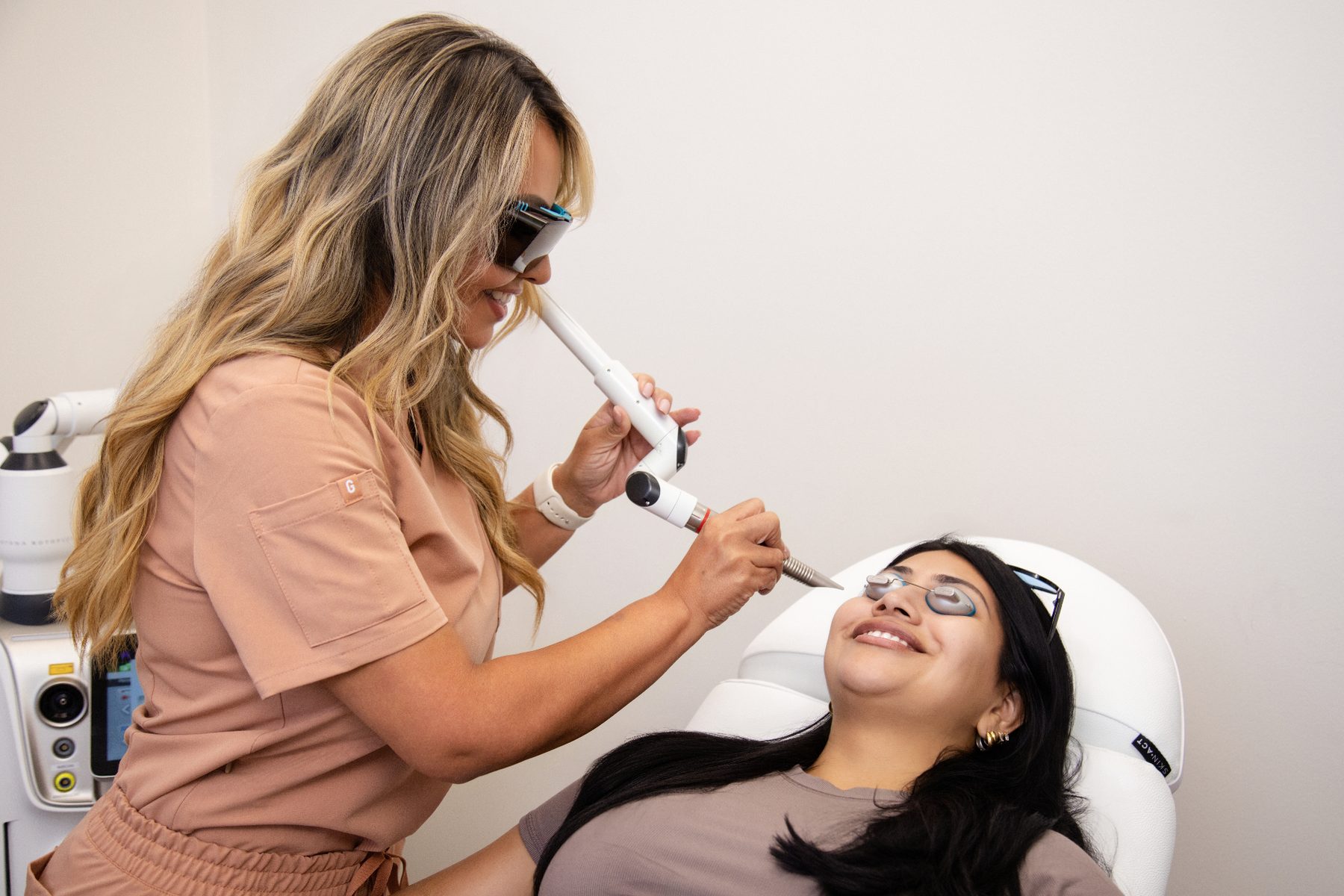
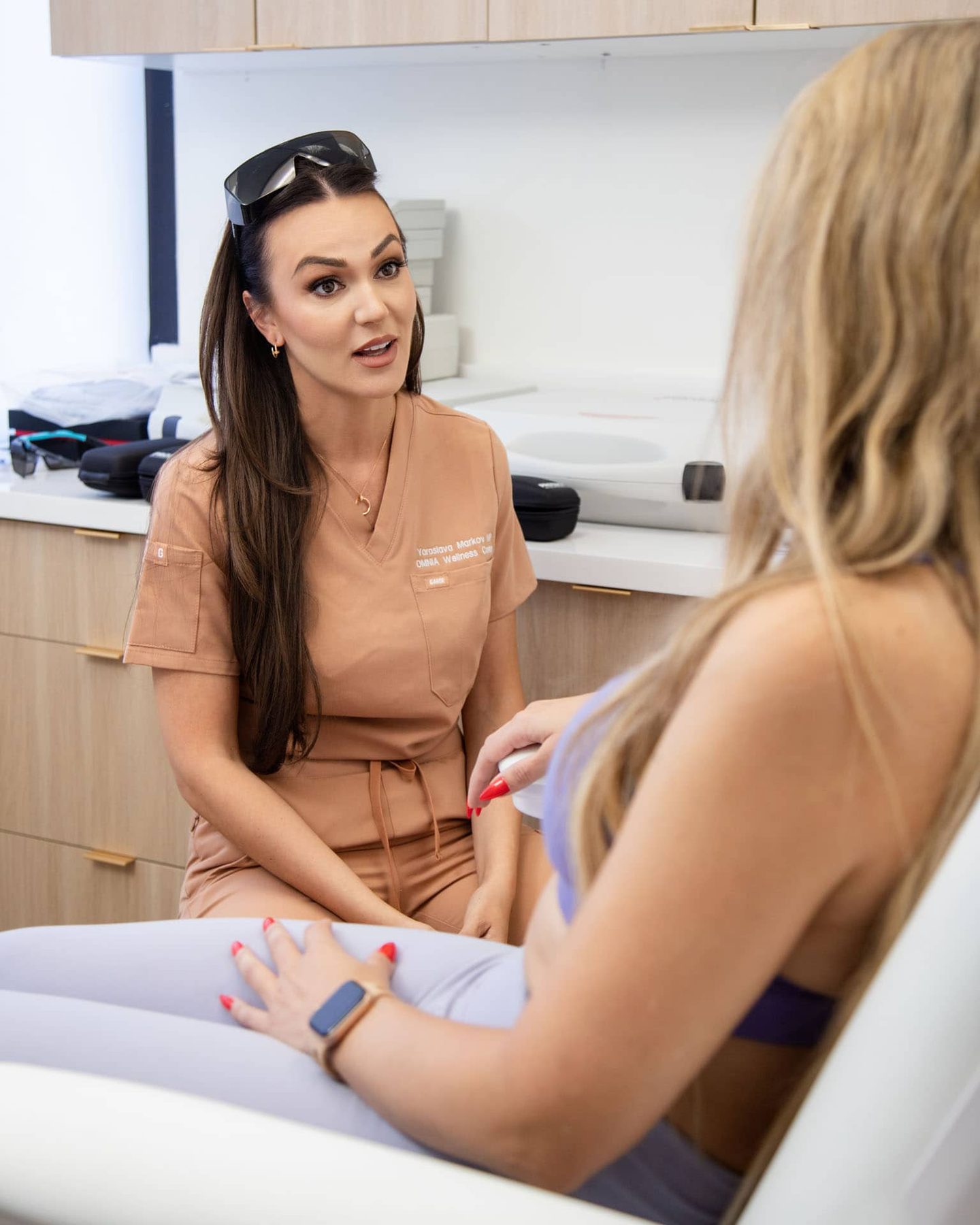
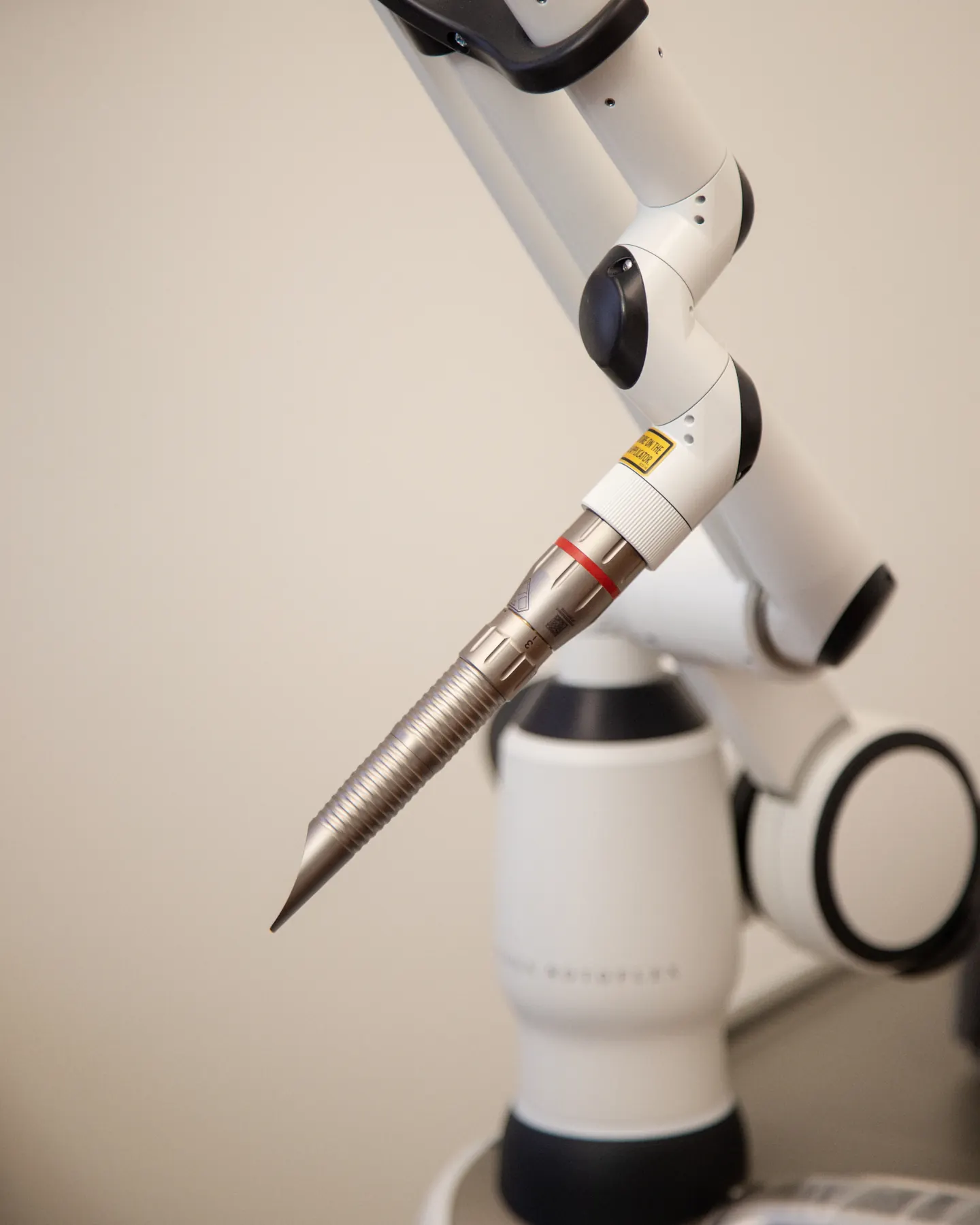
The appeal of facial rejuvenation has changed. Many patients still want visible improvement, but far fewer are willing to disappear for two weeks with swelling, peeling, or a face that advertises they had something done. That shift is one reason the Fotona 4D Laser Facial (TimeWalker) has earned attention in clinics that treat busy professionals, frequent travelers, camera-facing clients, and people who simply prefer gradual, believable results over a dramatic reset.
What makes this treatment interesting is not one single pass or one magic wavelength. It is the layering. Fotona 4D combines several modes of laser delivery to address different depths and different concerns in the same session, including texture, fine lines, laxity, and overall skin quality. The treatment can include work from inside the mouth as well as on the outer skin surface, which is still unusual enough that patients often pause when they first hear it explained. Yet in practice, that internal step is one of the reasons the result can look more complete rather than just superficially polished.
Minimal downtime is the phrase that draws people in, but it is worth being precise about what that means. Minimal downtime does not mean no response, no redness, or no aftercare. It means most patients can resume normal routines quickly, often the same day or the next, without the kind of prolonged recovery associated with more aggressive resurfacing. For the right person, that trade-off is compelling.
Why the TimeWalker approach stands out
A lot of non-surgical facial treatments make similar promises. Tighten the skin, smooth the surface, stimulate collagen, refresh the complexion. The difference usually lies in how those goals are pursued and how much collateral irritation comes with them.
The TimeWalker platform uses Er:YAG and Nd:YAG technologies in a structured sequence. Rather than relying on one type of energy to do everything, the treatment stacks effects. One part targets tightening from within the oral cavity. Another stimulates deeper tissue. Another addresses surface irregularity and luminosity. In experienced hands, that creates a result that tends to read as rested and firmer rather than overtly altered.
This matters most in the middle category of aging, when a patient has started to notice crepiness around the mouth, mild sagging through the lower face, early jowl shadowing, dull texture, and makeup that no longer sits as smoothly, but is not ready for surgery and does not want the prolonged redness that can follow deeper ablative resurfacing. In that window, the Fotona 4D Laser Facial (TimeWalker) often fits well.
It also helps that the treatment is customizable. Not every patient needs the same intensity at the same depth. A clinician can lean more heavily into laxity, perioral lines, acne scarring, or overall skin refresh, depending on the face in front of them. That flexibility is one of its practical strengths.
What actually happens during a Fotona 4D session
The name 4D can sound like marketing shorthand until the steps are broken down. The exact protocol varies by practice, but the treatment usually combines four stages that work in sequence.
The first stage often involves an intraoral pass, performed inside the mouth along the cheeks and around the lip area. This sounds more intimidating than it feels. Patients typically describe it as warm and unusual rather than painful. The purpose is to heat tissue from the inside, encouraging contraction and collagen remodeling in areas that contribute to the nasolabial folds and perioral support.
The second stage commonly uses a deeper thermal approach to stimulate collagen in the dermis without significantly disrupting the outer skin. This is where a lot of the gradual firming effect begins. Then comes a more superficial step to address texture, pore appearance, and fine wrinkling. A light polishing pass may follow to refine the surface and add brightness.
A typical appointment can take anywhere from 45 minutes to about 90 minutes, depending on whether the face alone is treated or whether the neck is included. Some clinics use a topical anesthetic for comfort, particularly if stronger resurfacing components are planned. Others reserve numbing for selected patients because many people tolerate the treatment well enough without it.
Immediately afterward, the skin is usually pink to red, warm, and mildly puffy. The sensation resembles sun exposure more than a procedural wound. By the next day, many patients are presentable with tinted sunscreen or light makeup, although there can be some dryness or a faint roughness for several days.
The benefit of treating from the inside out
The intraoral element deserves more attention because it is one of the reasons this treatment occupies a distinct niche. External lasers can improve texture and stimulate collagen, but when the support around the mouth begins to Fotona 4D Laser Facial (TimeWalker) soften, treating only the surface may not be enough to create a satisfying change.
Heating the mucosal side of the cheek and lip support area can encourage tightening without incisions or fillers. It is not a substitute for surgical lifting in a patient with moderate or advanced sagging, and it will not recreate youthful volume where fat loss is significant. Still, for mild to early moderate laxity, this internal step often adds a subtle but meaningful lift.
I have seen this matter particularly in patients who complain that the lower face looks tired even when the upper face still reads young. They may not need more volume. In fact, adding filler can sometimes make that region look heavier. Better tissue support and skin contraction can be a more elegant answer, especially in lean faces.
That distinction is important. Not every aging concern is a volume problem. Some are support problems, some are texture problems, and many are both.
Who tends to be happiest with it
The best candidates are usually realistic, time-conscious, and interested in cumulative improvement. They are not looking for one treatment to erase ten years overnight. They want fresher skin, a bit more firmness, softer lines, and a result that can build over a series.
Patients in their thirties and forties often use it as a preventive or early corrective treatment. In the fifties and sixties, it can still be useful, especially when the goals are better texture and mild tightening, but outcomes depend more heavily on baseline laxity, sun damage, and skin thickness. Someone with pronounced jowls, significant neck banding, or heavy lower-face descent may appreciate some improvement but may still be better served by surgery if they want a stronger change.
It can also suit patients who have been hesitant about injectables. Some people do not love the look of repeated filler, particularly around the mouth, or they have experienced puffiness from overcorrection elsewhere. Laser-based collagen stimulation gives them another option. That said, many of the best rejuvenation plans combine modalities rather than treating them as rivals. TimeWalker can work very well alongside carefully placed neuromodulators, conservative filler, biostimulators, or medical-grade skincare.
Where expectations need tightening
This is where consultations matter. Marketing language around any device can make results sound more uniform than they are. The Fotona 4D Laser Facial (TimeWalker) is effective, but it is not magic.
It will not remove deep folds the way surgery can reposition tissue. It will not replace volume loss in the temples or cheeks. It will not erase etched lines around the lips after one session if those lines have been developing for years. It also will not act the same way on every skin type, every age group, or every lifestyle.
Patients who smoke, tan regularly, sleep poorly, or cycle through intense weight changes tend to undermine their own results. So do those who expect one treatment to substitute for a long-neglected skincare routine. Collagen stimulation takes time. Remodeling is gradual. The best outcomes often appear over weeks to months and improve with a series.
A clinician who is honest about those limits is usually the one worth trusting.
Downtime, realistically described
Minimal downtime is accurate for many patients, but it helps to define the practical version of that phrase.
Most people can return to desk work, errands, and social activity quickly. They may prefer not to schedule a major photo event the same evening, especially after a stronger session, but they are not typically dealing with open wounds, dramatic crusting, or the kind of swelling that invites questions. Mild redness can last from several hours to a couple of days. Dryness and a sandpapery feel can linger a bit longer.
For patients with sensitive skin or rosacea tendencies, the response can be more noticeable. For those undergoing an intensified resurfacing pass, a few days of visible roughness are common. It is wise to schedule treatment at a time when a quiet 48 hours is possible, even if most people do not truly need to hide at home.
One practical pearl: if someone has a wedding, filmed presentation, reunion, or professional headshot, I usually prefer a buffer of at least one to two weeks, not because they will look bad until then, but because skin often looks better after the initial transient dryness settles and hydration normalizes. Freshly treated skin can be improved and still not yet at its best.
How it compares with other common rejuvenation options
Patients often ask whether TimeWalker is “better” than microneedling RF, IPL, fractional resurfacing, or non-ablative tightening devices. That is the wrong framing. Better for what, and for whom, is the useful question.
IPL is excellent for pigment and redness but does little for skin tightening. Traditional aggressive ablative resurfacing can produce stronger texture correction but comes with more downtime and more risk. Microneedling RF can help with laxity and scars, often with manageable recovery, but the surface polish differs. Ultrasound and radiofrequency tightening can stimulate deeper structures, yet they do not refine skin texture in the same way. Fotona 4D sits in the middle as a multi-layer rejuvenation treatment that addresses both support and surface without asking for the recovery profile of the strongest resurfacing procedures.
For many patients, that middle ground is exactly the point. They do not need the heaviest intervention, and they do not want a treatment so gentle that results are hard to see.
Areas where it tends to shine
The treatment is often particularly rewarding around the mouth, lower cheeks, and overall skin texture. Fine crinkling in the perioral area, early smile-line deepening, and dull or tired surface quality are common reasons people come back for repeat sessions. The neck can also benefit, though neck skin is notoriously demanding and usually needs a frank discussion about what constitutes success.
Acne-scarred skin can improve too, especially when textural irregularity is relatively shallow and active acne is controlled. If scarring is deep and tethered, combination treatment is often smarter than relying on one device alone. Subcision, targeted resurfacing, or RF microneedling may need to be part of the plan.
There is also a category of patient who looks good in still photos but notices in motion that the face seems less taut than it used to. They often do very well with collagen-stimulating laser treatments because what bothers them is not one single line. It is the general loss of snap.
Preparation and aftercare that make a difference
The procedure itself matters, but so does everything around it. Skin that is irritated, freshly tanned, or poorly prepped rarely performs as well as skin that is calm and well managed. In practice, the best laser patients are often the ones with the least chaotic routines.
A short checklist is usually enough:
- Avoid recent sun exposure and self-tanner before treatment.
- Pause potentially irritating actives, such as retinoids or strong acids, if your clinician recommends it.
- Arrive with clean skin and disclose any history of cold sores, pigmentation issues, or recent procedures.
- Use bland hydration and diligent sunscreen afterward.
- Do not judge the final result in the first few days.
That last point sounds simple, but it saves a lot of unnecessary second-guessing. Skin can look a little pink, dry, or uneven immediately after treatment. Improvement unfolds in stages.
Safety, skin tone, and clinical judgment
Whenever laser treatments are discussed, skin tone and complication risk deserve clear attention. Not all devices, settings, and treatment endpoints suit every patient equally. Hyperpigmentation risk matters more in some skin types, especially if the skin is inflamed, recently sun-exposed, or treated too aggressively.
The TimeWalker platform can be adapted, but adaptation is not automatic. It depends on who is treating you and how conservative or aggressive they are being. A thorough consultation should include discussion of your skin type, melasma history, scarring tendency, medication use, and recent sun habits. If a practice glosses over those details, that is a warning sign.
Patients with active dermatitis, uncontrolled acne flares, recent isotretinoin history in some contexts, or active infections may need to postpone. Those with a history of cold sores often benefit from preventive antiviral medication if the perioral area is being treated. These are ordinary medical details, not dramatic exceptions, but they separate a smooth recovery from an avoidable setback.
What a treatment plan usually looks like
One treatment can give a visible refresh, especially before an event, but most true rejuvenation plans involve a series. Commonly, clinics recommend about three sessions spaced several weeks apart, though this varies with goals and the intensity used. Maintenance might happen once or twice a year, sometimes more often for those who respond well and like the texture benefits.
The reason for the series is simple. Collagen remodeling is biological, not Fotona 4D Laser Facial (TimeWalker) theatrical. Cells respond over time. Repeated stimulation tends to outperform a one-off treatment, particularly for laxity and fine wrinkling.
Patients often ask when they will notice change. Some see brightness and smoother skin within days. Firmer texture and soft tissue support take longer. A fair way to frame it is this: surface radiance may arrive first, structural improvement usually follows more slowly, and the best point of comparison is often how your skin looks at eight to twelve weeks, not on day three.
Cost, value, and what patients are really paying for
Pricing varies substantially by geography, provider experience, and whether the neck or additional passes are included. That makes exact numbers difficult to generalize responsibly. What matters more is understanding what you are buying.
You are not only paying for a device session. You are paying for assessment, settings selection, skin typing, treatment sequencing, and complication prevention. The same machine in different hands can produce very different experiences. Skill shows up in restraint just as much as intensity. Good laser work is often less about turning everything up and more about knowing what not to push.
Cheaper is not always better value. On the other hand, expensive does not guarantee expertise. Ask how many TimeWalker or Fotona 4D treatments the provider performs, what kind of patient they treat most often, and what outcomes they think are realistic for your particular concerns.
A few consultation questions can clarify whether you are a good fit:
- What improvements do you think this treatment can realistically achieve for my skin?
- How many sessions would you expect I need?
- What kind of downtime do your patients usually have with the settings you would use on me?
- How do you approach treatment in my skin type or with my pigmentation history?
- If this is not the best option, what would you recommend instead?
Those answers often tell you more than a glossy before-and-after gallery.
The patients who should think twice
Not everyone seeking “minimal downtime rejuvenation” is actually best served by this treatment. If the primary issue is heavy pigmentation, a vascular component, substantial volume loss, or advanced skin laxity, another plan may be more efficient. If someone wants the strongest possible resurfacing result and can tolerate real downtime, a more aggressive laser may be the better tool. If they need lifting more than resurfacing, surgery may be the honest answer.
There is also a personality fit. The ideal candidate appreciates progressive improvement. The wrong candidate wants a single appointment to deliver a surgical-looking outcome by the weekend. That mismatch leads to disappointment, even when the treatment has technically been done well.
The quiet advantage of looking like yourself
One of the most persuasive things about the Fotona 4D Laser Facial (TimeWalker) is that good results rarely scream. Friends may comment that someone looks rested, healthier, or somehow fresher without being able to identify why. In aesthetic medicine, that subtlety has real value.
People increasingly want interventions that preserve facial identity. They do not want stiffness, overfilled contours, or the look of having chased every line out of the face. They want better skin, a little more tone, fewer signs of fatigue, and a version of themselves that reads as cared for rather than cosmetically engineered.
That is where TimeWalker tends to earn loyalty. It occupies a thoughtful middle ground. It can improve texture, stimulate collagen, and support mild tightening with limited interruption to daily life. It is not a shortcut past aging, and it is not the answer to every concern. But for the right patient, treated by someone who understands both the technology and the face, it is a versatile, credible option for rejuvenation that respects the rhythm of real life.
OMNIA Wellness Center
Address: 16430 Ventura Blvd Ste 207, Encino, CA 91436
Phone: (818) 386-8511
FAQ About Fotona 4D Laser Facial (TimeWalker)
What are the benefits of Fotona laser treatment?
OMNIA offers this treatment for concerns such as uneven texture, dull tone, and fine lines. Results and the number of sessions vary, so discuss your goals with a provider.
Is Fotona laser safe?
A qualified provider should review your skin, medical history, medications, and recent sun exposure to determine whether the treatment is appropriate. Ask about possible irritation, pigment changes, and aftercare before booking.
How much does a Fotona 4D facelift cost?
Price depends on the treatment plan and number of visits. Ask OMNIA for an itemized estimate during your consultation.