20 November 2026
Fotona 4D Laser Facial (TimeWalker) for Fine-Tuning Your Facial Glow
Presented by @josuexwmu432
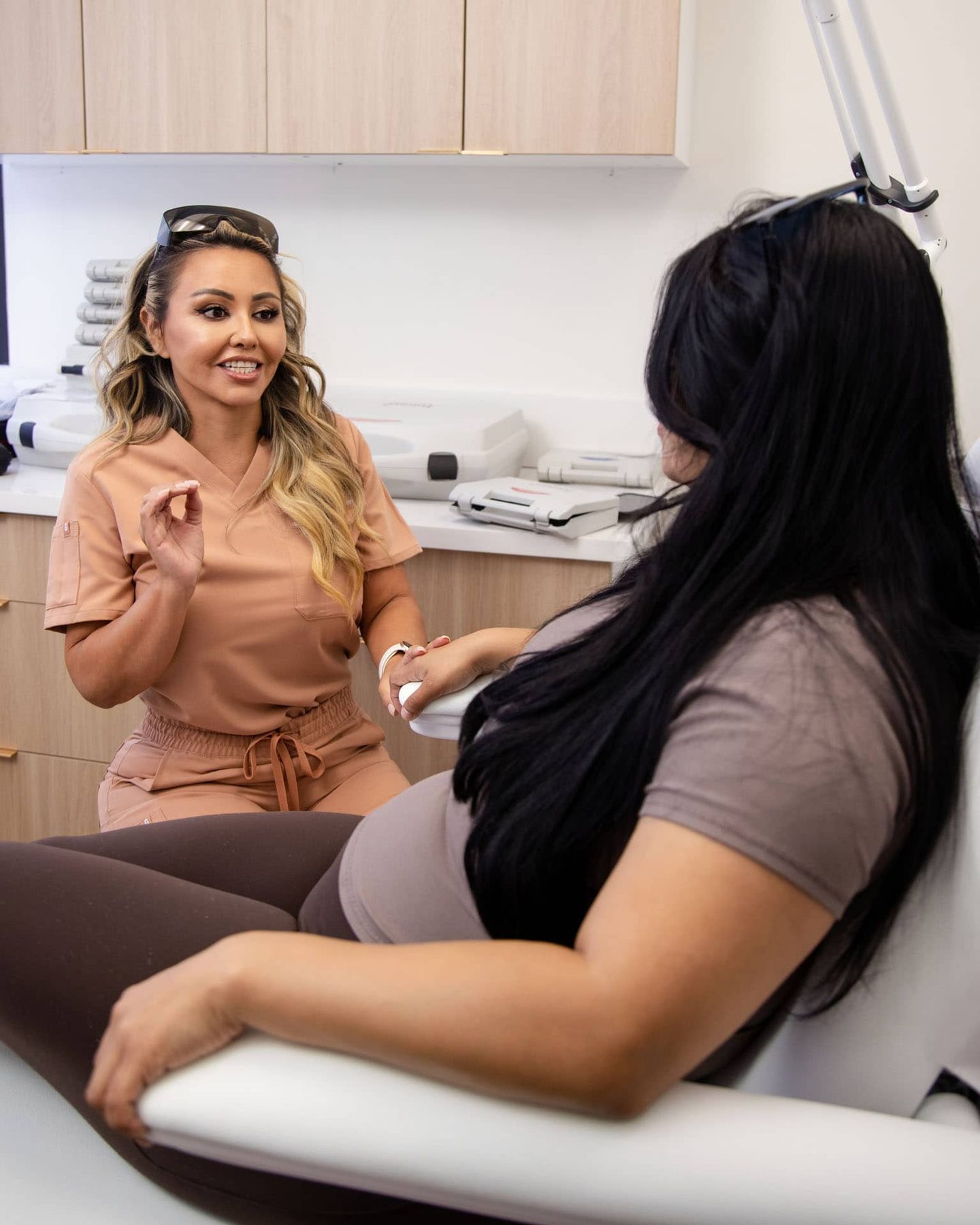
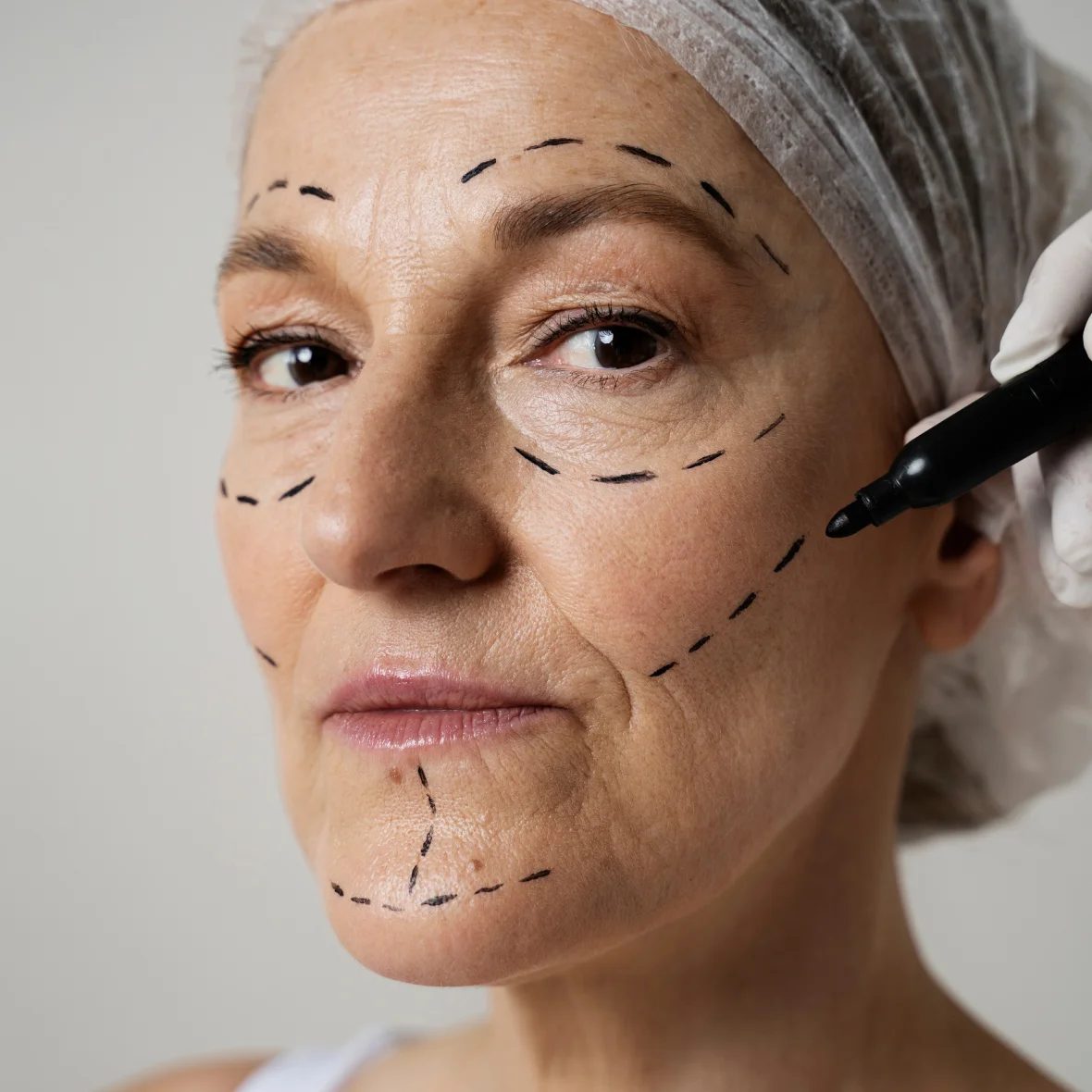
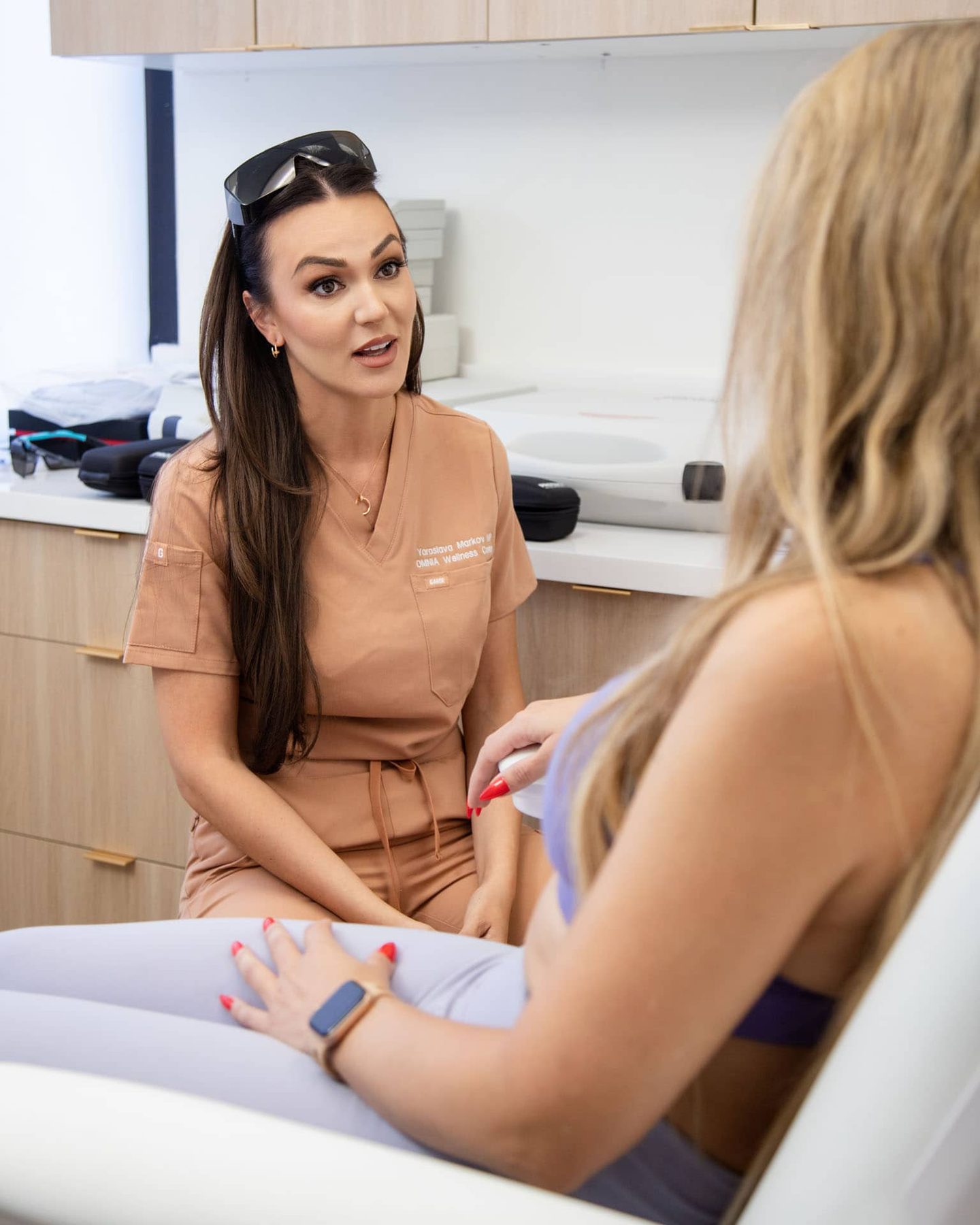
A great facial treatment does not have to leave the skin stripped, swollen, or obviously "done." For many people, the sweet spot sits somewhere between a relaxing spa facial and a more aggressive resurfacing procedure. That is where the Fotona 4D Laser Facial (TimeWalker) tends to attract attention. It is often chosen by people who want skin to look fresher, tighter, and more refined without committing to the downtime of deeper ablative work.
The appeal is easy to understand once you see how it is used in practice. Instead of relying on a single pass or a single wavelength to force one dramatic change, this approach layers several modes of laser energy to address texture, mild laxity, enlarged pores, and a tired overall tone. In the right hands, the result can look less like a "procedure" and more like your skin on one of its best weeks.
That distinction matters. Most patients are not chasing a different face. They want their skin to catch light better. They want the under-eye area to look less flat and creased. They want makeup to sit more smoothly, or for bare skin to look rested in daylight. Fine-tuning glow sounds modest, but in aesthetic medicine, modest goals often produce the most satisfying outcomes.
What the Fotona 4D Laser Facial (TimeWalker) actually is
The name can be slightly confusing because it sounds like one treatment, when in reality it refers to a multi-step laser protocol performed with a Fotona platform. The "4D" concept usually involves four treatment dimensions or modes that work on different tissue depths and surfaces. Depending on the clinic, this may be marketed under the TimeWalker branding, especially when paired with a customized anti-aging protocol.
The treatment often combines Nd:YAG and Er:YAG laser technologies in sequence. One component may target deeper tissue heating and collagen stimulation. Another may focus more on the skin surface, texture irregularities, or very light polishing. Some protocols also include intraoral treatment, meaning the laser is applied inside the mouth along the cheeks to support tissue tightening from within. That sounds unusual at first, but it is one of the features that sets Fotona 4D apart from a standard laser facial.
From a clinical standpoint, the value lies in stacking controlled thermal effects rather than pushing one layer too hard. This creates a treatment that can be surprisingly versatile. A younger patient with early dullness and mild pore visibility may use it as maintenance. A patient in their forties or fifties may use it to soften crepiness around the mouth, improve skin bounce, and bring back some reflected brightness after sun exposure and collagen decline have flattened the complexion.
Why "glow" is more technical than it sounds
Glow gets talked about casually, but it is not a vague beauty word when you look closely. Skin looks luminous when several small variables line up at once. Surface texture has to be relatively even. Dead skin buildup cannot be too thick. Pores and fine lines cannot be catching shadows everywhere. Blood flow needs to be decent, and the dermis needs enough structural support for light to reflect more uniformly.
That is why one-dimensional treatments often disappoint people who describe their skin as dull. If you only exfoliate, you may get temporary brightness without firmness. If you only stimulate deeper collagen, the skin can improve gradually but still look rough on the surface. If you only target pigment without improving texture, the face may still read as tired. A layered laser treatment can be effective because it respects the fact that glow is a composite effect.
In real clinic settings, the patients happiest with this treatment are often the ones who start with realistic language. They are not asking for a complete reset. They want refinement. They want to look polished under office lighting, not just under a ring light. They want comments like "you look well" rather than "what did you have done?"
How the treatment is usually performed
Protocols vary Fotona 4D Laser Facial (TimeWalker) by provider, which is important to understand before booking. Fotona 4D is not a single universal script. The broad concept stays the same, but energy settings, pass counts, overlap, and the mix of modes can differ based on skin condition, tolerance, and the clinician's style.
A common session starts with skin cleansing and eye protection. If the protocol includes the intraoral step, the provider treats the inside of the mouth along the cheeks with a handpiece designed for controlled heating. Patients usually describe this part as warm rather than painful. It aims to stimulate collagen and support the nasolabial and lower face area from the inside out.
After that, the clinician may move to an external tightening mode using Nd:YAG energy to heat deeper tissues. This tends to feel snappy and warm, similar to many non-ablative laser treatments. Then comes a more superficial Er:YAG component, which may focus on fine lines, texture, and overall refinement. Some versions finish with a very light polishing pass for smoother reflection and immediate freshness.
Treatment times often range from about 45 minutes to a little over an hour, depending on how broad the area is and whether neck treatment is included. Downtime can be quite manageable, but "no downtime" is too simplistic. Some people leave mildly pink and warm for a few hours. Others can stay flushed into the next day, especially if stronger settings or a more resurfacing-focused pass are used. Minor roughness, dryness, or a sandpapery feel is not unusual for several days.
Where it tends to shine most
The strongest use case for the Fotona 4D Laser Facial (TimeWalker) is often not severe damage. It is subtle aging and quality loss. This is where the treatment earns its reputation. There is enough power to make visible changes, but not so much intensity that every patient has to carve out a week of hiding.
Around the mouth, it can be especially helpful for fine etched lines that make lipstick feather or create a tired look even when the rest of the face is in good shape. Cheek texture can also improve nicely, particularly in people whose skin has started to look a bit flat or porous. The lower face and jawline may appear more supported over time because of collagen stimulation and tissue contraction, though expectations should stay grounded. This is refinement, not a surgical lift.
It can also work well before events, provided timing is sensible. I generally think a major event should never be the first time someone experiments with a laser treatment, but for established patients who know how their skin reacts, scheduling it several weeks before a wedding, speaking engagement, or photo-heavy trip can make sense. The skin often looks better as initial pinkness settles and the subtler tightening and texture benefits emerge.
What results realistically look like
The best results tend to read as cumulative and believable. Immediately after treatment, some patients notice a temporary plumping effect from mild swelling and increased circulation. That can be flattering, but it is not the full story. The more durable improvement unfolds over weeks as collagen remodeling develops and the skin surface recovers in a smoother pattern.
You may notice that foundation sits better, the cheek area reflects light more evenly, and early lines around the mouth or eyes seem less etched. Pores can look a bit tighter. The skin may feel denser or springier to the touch. People who had a slightly crepey, fatigued look often see the biggest shift because the treatment is addressing multiple small causes of that appearance at once.
The flip side is that people expecting dramatic lifting or erasure of deeper folds may feel underwhelmed if they were not counseled properly. A treatment like this is excellent at moving someone from decent to polished, or from tired to refreshed. It is not a substitute for surgery, substantial volume restoration, or aggressive resurfacing when those are truly indicated.
The patients who tend to be happiest
Ideal candidates usually share one trait: they understand nuance. They are interested in skin quality, not just wrinkle counting. They can appreciate a treatment that gives them 15 to 25 percent improvement in several categories rather than 70 percent improvement in one.
The following profiles often do well with this treatment:
- People with mild to moderate dullness, enlarged pores, or early texture changes.
- Patients noticing fine lines around the mouth, cheeks, or lower eyelids.
- Those who want collagen support with limited downtime.
- Individuals maintaining results from injectables, peels, or prior laser work.
- Patients seeking a refreshed look before a milestone, with enough lead time.
Skin type, melanin level, medical history, and recent sun exposure all matter. Anyone considering laser treatment should have a proper consultation rather than assuming a branded facial is automatically gentle or universal.
A note on discomfort and downtime
Most clinics describe Fotona 4D as tolerable, and that is fair, but comfort is still subjective. Some areas are easier than others. The cheeks tend to be straightforward. The upper lip and bony areas can feel sharper. The intraoral step is odd the first time, less because of pain and more because it is unfamiliar.
Topical numbing may or may not be used depending on the protocol. Even without it, many patients get through the session comfortably, especially if the settings are tailored sensibly. The sensation often shifts between warmth, quick snaps, and a prickly heat.
Downtime deserves honest framing. If by downtime someone means crusting, oozing, and staying home for a week, then yes, this is usually much lighter than that. If they mean absolutely no visible reaction, that is not always true. Pinkness, mild swelling, and transient roughness are common. On a busy work schedule, many people can return the next day, but I would still avoid booking it right before an important appearance until you know your own skin's pattern.
How it compares with other "glow" treatments
A lot of treatments promise radiance, but they get there in different ways. Chemical peels can brighten quickly, especially when dullness comes from dead skin buildup or superficial pigmentation. Microneedling can support collagen and improve texture over time. BroadBand Light or IPL can be excellent if redness or sun spots are the main reason the skin looks uneven. Radiofrequency devices can tighten modestly. Injectables can restore structure, which indirectly improves light reflection.
Fotona 4D sits in an interesting middle lane. It is more sophisticated than a standard facial and often more multi-dimensional than a single-mechanism device treatment. Yet it is still conservative enough that many patients can fit it into real life without disappearing for recovery.
That said, there are times when another option may be better. If pigment is the dominant issue, a pigment-focused treatment may be more efficient. If acne scarring is significant, a more targeted resurfacing approach may outperform it. If facial laxity is advanced, surgery may be the honest answer. Good aesthetic planning is less about loyalty to one machine and more about matching the tool to the problem.
The importance of the person behind the laser
This is one of those treatments where the platform matters, but the operator matters just as much. A strong provider does not simply run the branded protocol on every face. They assess whether the skin is dry, reactive, sun-exposed, acne-prone, thin, melasma-prone, or recently treated with something else. They decide whether to emphasize tightening, resurfacing, or gentle maintenance.
In practice, this is where results often diverge. One patient can leave looking polished and subtly lifted, while another gets very little because the settings were too cautious or the treatment design was generic. The reverse can also happen. Overzealous energy on the wrong patient can create unnecessary irritation, prolonged redness, or post-inflammatory pigmentation risk.
That is why consultation quality matters. A thoughtful clinician should ask about isotretinoin history, cold sores, recent tanning, active inflammation, prior lasers, and your timeline for social events. They should also explain not only the benefits, but the limits. Any treatment sold as universally perfect deserves skepticism.
What to do before and after
Preparation and aftercare influence the final look more than many people realize. Skin that goes into treatment inflamed, sunburned, or over-exfoliated rarely behaves beautifully afterward. Likewise, skin that is babied correctly during recovery often looks markedly better at the one- to three-week mark.
A sensible aftercare routine is usually simple:
- Use a gentle cleanser and bland moisturizer for several days.
- Wear broad-spectrum sunscreen diligently, even if you are mostly indoors.
- Pause strong actives such as retinoids, exfoliating acids, and harsh scrubs until the skin is calm.
- Avoid hot workouts, steam rooms, and excessive heat for the first day or two if your provider advises it.
- Let any roughness shed naturally rather than picking or aggressively exfoliating.
One practical point patients appreciate: plan your calendar around the possibility of looking flushed or slightly puffy for a day or two. Even when downtime is minor, low-stress recovery makes everything easier.
How many sessions are usually needed
This depends on the goal. For maintenance and glow enhancement, some patients are pleased after one session, especially if they already take good care of their skin and just want a nudge. For more visible improvement in texture, fine lines, or mild laxity, a series is often recommended. Three sessions spaced several weeks apart is common in many practices, though protocols vary.
Maintenance can then be done periodically, often every few months or seasonally, depending on budget, skin behavior, and how much cumulative change the patient wants. There is no universal schedule because skin ages in context. A 32-year-old with careful sun habits and a strong topical routine may need far less than a 52-year-old who has spent years outdoors and wants to recover some lost vitality without surgery.
Cost, value, and what you are really paying for
Pricing varies widely by region, clinic reputation, and whether the neck, eyes, or a more customized protocol is included. The treatment is rarely the cheapest path to glow, but many patients consider it worthwhile because it addresses several concerns in one session. You are not only paying for the machine. You are paying for treatment design, patient selection, safe parameter choice, and follow-up care.
Value should be measured against goals. If all you need is a quick refresh before a dinner and you are already using a good retinoid, this might be excessive. If your skin has become dull, slightly loose, and texturally uneven, and you want improvement without the intensity of deeper resurfacing, it may be a very rational option.
I often find patients are happiest when they stop looking for a miracle treatment and start thinking in terms of skin strategy. One or two technologies, used well and repeated consistently, usually outperform a string of impulsive trend treatments.
Questions worth asking at the consultation
A smart consultation is half the treatment. You want to know whether the provider is tailoring the session or simply selling a package. Ask how many sessions they think you need for your specific concerns. Ask what kind of redness or swelling they typically see in patients with your skin type. Ask whether your main issue is texture, laxity, pigment, or some mix, and whether Fotona 4D is genuinely their first choice for that pattern.
It is also wise to ask how they would sequence this with injectables, peels, or other devices if you already have a treatment plan in motion. Timing matters. Lasers and neuromodulators can complement each other nicely, but they should be scheduled thoughtfully. The same goes for filler, microneedling, and strong topical programs.
A provider who answers these questions clearly, without overselling certainty, is usually a safer bet than one who promises dramatic change in a single visit.
Where it fits in a modern skin plan
The most useful way to think about the Fotona 4D Laser Facial (TimeWalker) is not as a magic wand, but as a precision maintenance and improvement tool. It fits beautifully for patients who want visible refinement without stepping into heavy downtime territory. It can polish texture, support collagen, and bring back a healthier light to the face in a way that looks credible and elegant.
For fine-tuning facial glow, that combination is exactly the point. The goal is not to look processed. The goal is to look rested, smoother, and a little more expensive in the best possible sense. When settings are chosen well, expectations are realistic, and skin is cared for properly afterward, this treatment can do that with notable grace.
That is why it remains a strong option in clinics that prioritize results people can see, but not necessarily detect. Subtle work is often the hardest to do well. It is also the work patients tend to love the longest.
OMNIA Wellness Center
Address: 16430 Ventura Blvd Ste 207, Encino, CA 91436
Phone: (818) 386-8511
FAQ About Fotona 4D Laser Facial (TimeWalker)
What are the benefits of Fotona laser treatment?
OMNIA offers this treatment for concerns such as uneven texture, dull tone, and fine lines. Results and the number of sessions vary, so discuss your goals with a provider.
Is Fotona laser safe?
A qualified provider should review your skin, medical history, medications, and recent sun exposure to determine whether the treatment is appropriate. Ask about possible irritation, pigment changes, and aftercare before booking.
How much does a Fotona 4D facelift cost?
Price depends on the treatment plan and number of visits. Ask OMNIA for an itemized estimate during your consultation.